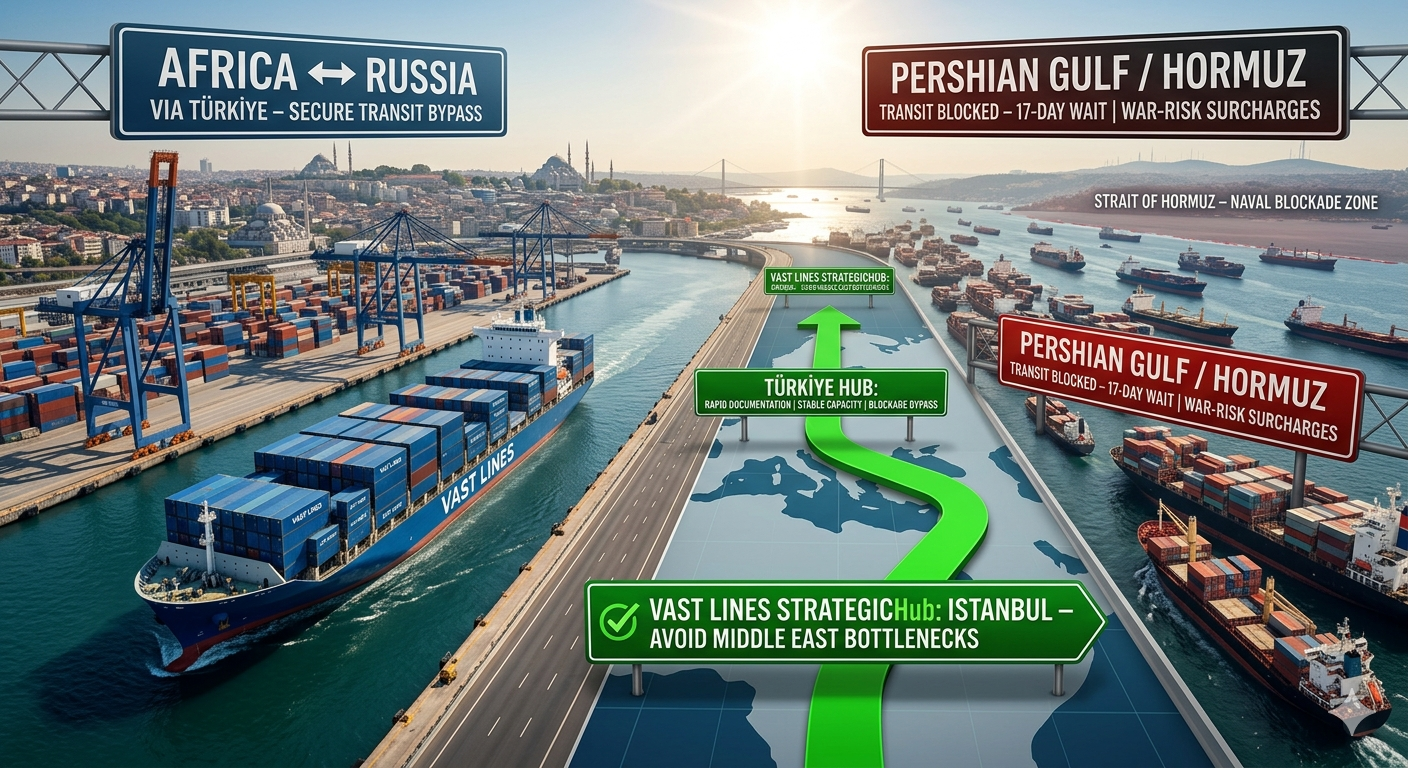
Turkey, due to its strategic location, is one of the customs zones where global trade is most intensive. However, the detailed structure of the Turkish Customs Legislation requires professional management in foreign trade operations. In this guide, we examine the customs processes of cargo arriving at Turkish ports and the critical steps to consider.
When a container arrives at Turkish ports (Ambarlı, Haydarpaşa, Gebze, Mersin, etc.), the process proceeds with the following steps:
Summary Declaration and Delivery Order (Ordino): A summary declaration is submitted before the ship arrives at the port. After port discharge, the receiver of the cargo obtains the Delivery Order (Ordino) document from the shipowner or its agent and presents the right of disposal over the goods to the customs.
Registration of the Customs Declaration: A declaration suitable for the type of cargo, HS Code (GTİP), and value is opened through an authorized customs broker.
Line Inspection: The customs system directs the cargo to one of four different lines:
Green Line: Passage without inspection and document control.
Yellow Line: Document control (Invoice, certificate of origin, etc.).
Red Line: Physical inspection and full determination.
Blue Line: Post-control (For authorized economic operators).
Tax Payments and Free Circulation: After VAT, Customs Duty, and additional financial obligations (if any) are paid, the “Entry into Free Circulation” process of the goods is completed.