Effective Shipping Crisis Solutions via Istanbul Hub
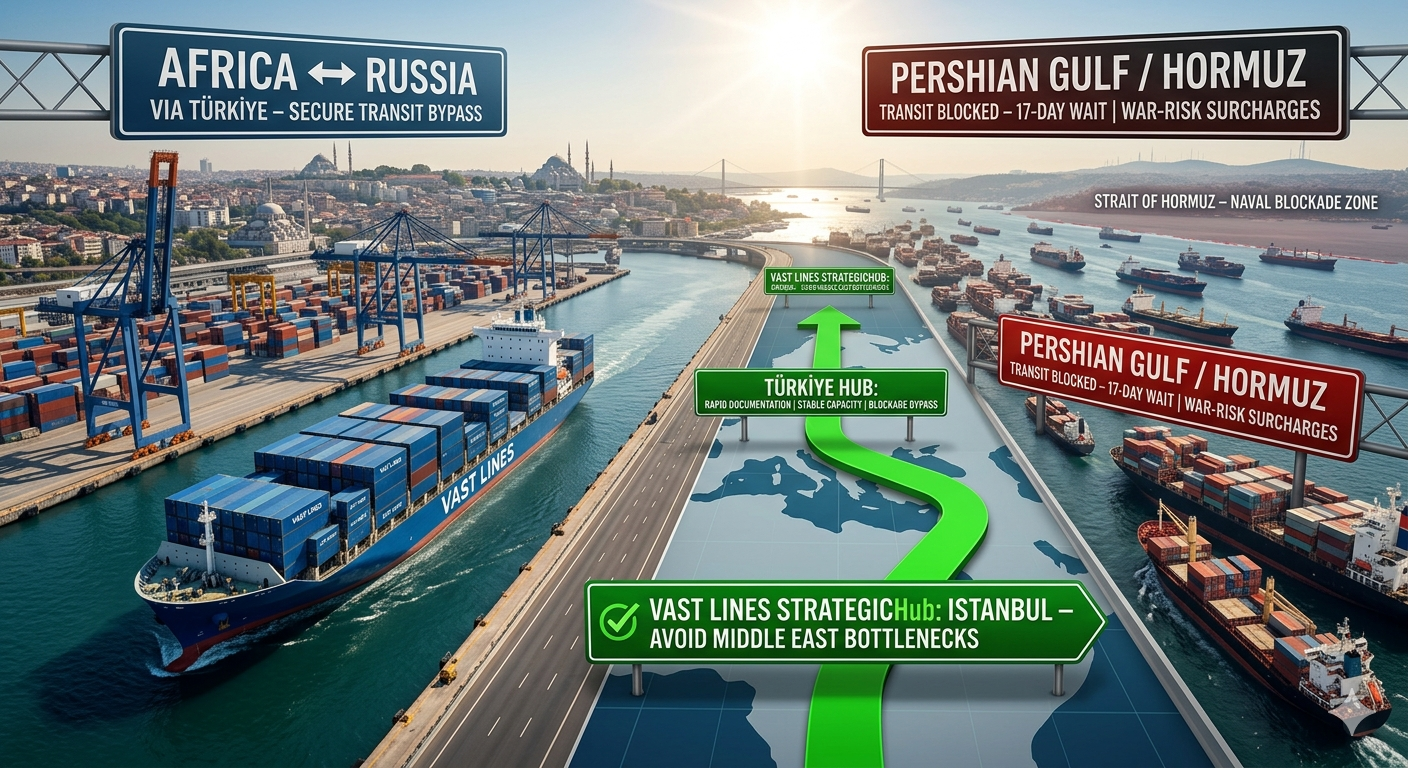
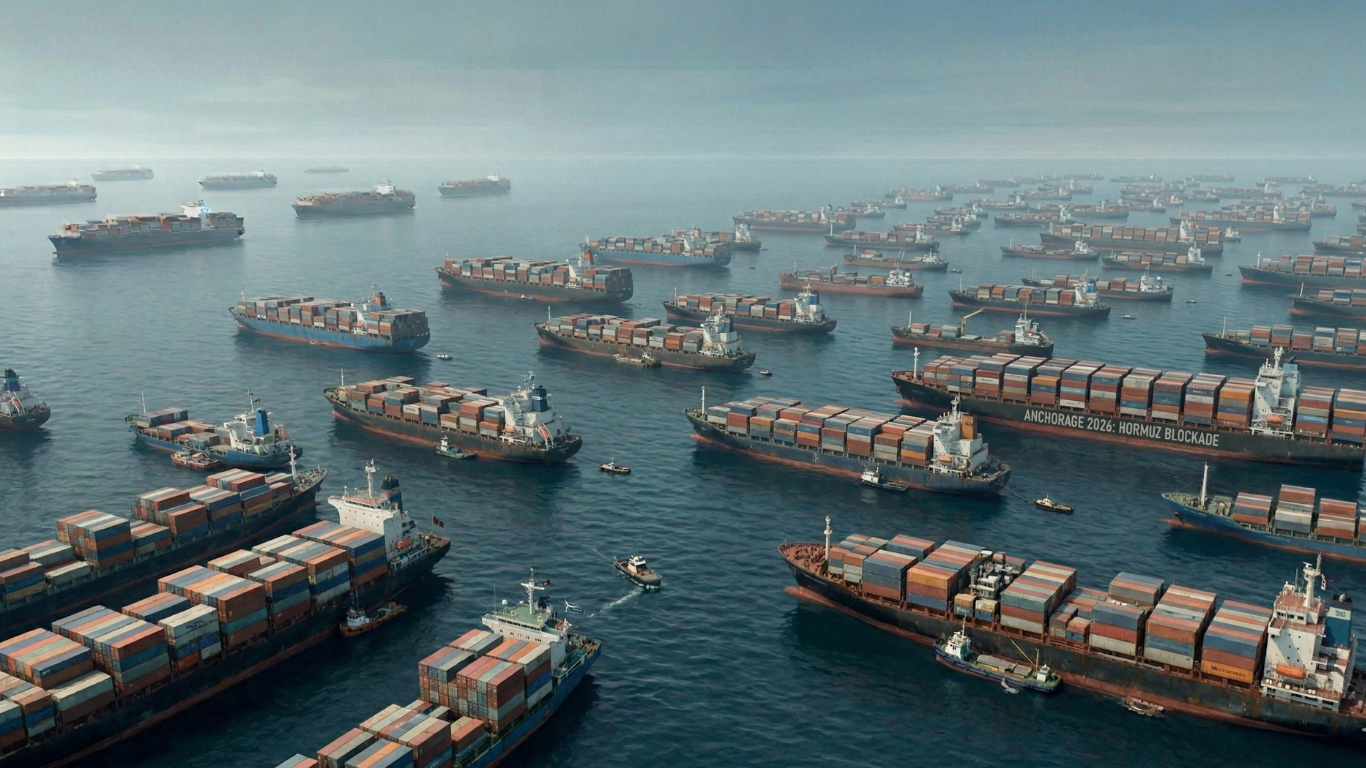
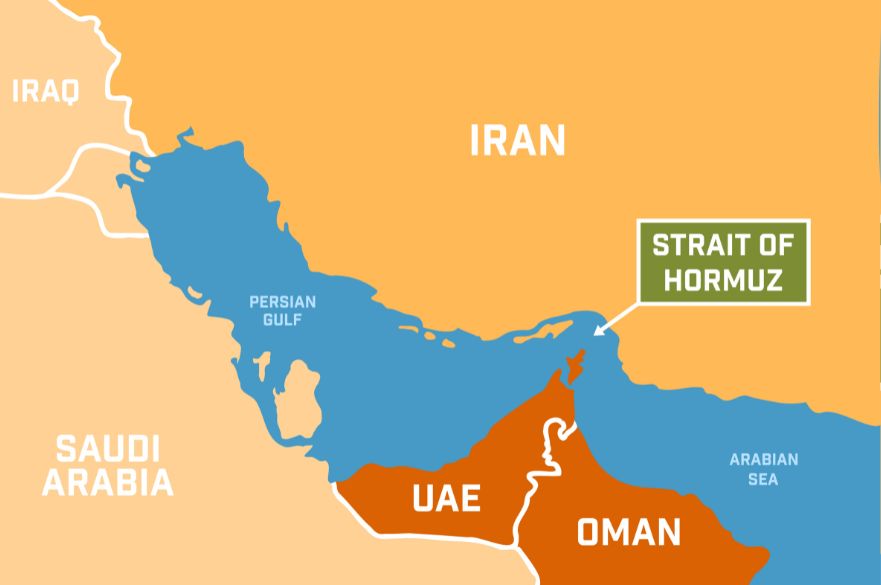
The Problem: The U.S. naval blockade of Iranian ports is now “airtight.” In the first 52 hours, zero ships successfully entered or exited Iranian ports. Even vessels “hugging the coastline” were intercepted by the USS Spruance and redirected.
The Risk: Iranian ports (Bandar Abbas, Bandar Shahid Rajaee) are effectively cut off.
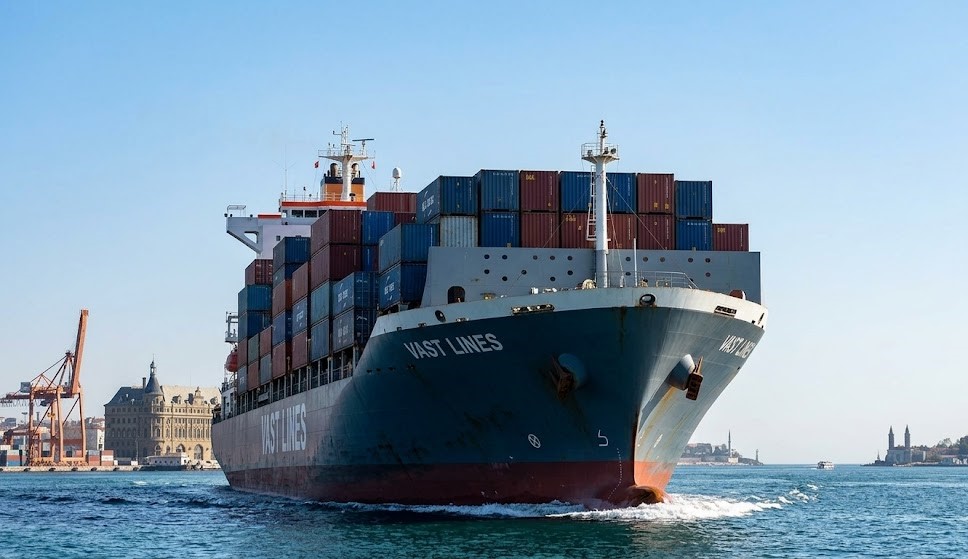
The Vast Lines Solution: Shift all Russian-bound cargo intended for Gulf transshipment to your Istanbul Hub immediately. Türkiye is currently the only high-velocity “Safety Valve” that is not subject to this military blockade.
Port Congestion: Ghana Strike Escalation
The Problem: Despite rumors of a pause, the Ghana Port Strike (Tema and Takoradi) remains in “full force” today. Freight forwarders have laid down tools to protest the Publican AI valuation system.
The Risk: Shipping lines are not suspending demurrage. Your clients are losing money for every hour their cargo sits uncleared.
The Vast Lines Solution: Do not attempt to process payments or file new entries today. An emergency meeting is happening now (Thursday morning). Wait for the result of this meeting before committing to duty payments, as the valuation system might be adjusted or paused by tonight.
New Freight Regulations: US & EU Compliance
The Problem: As of today, several new 2026 rules are active that can trigger “No-Value” costs (fines).
Carrier Documentation Fees: Major liners have started charging €65/container for late or incomplete digital documentation.
FMCSA eDVIR Compliance: In the U.S., electronic driver inspection reports (eDVIRs) are now the strict legal standard.
The Vast Lines Solution: * Audit manifests: Ensure your documentation team completes all digital filings 48 hours prior to vessel berthing to bypass the new €65 coordination fees.
USDOT Transition: Confirm all US partners have moved to USDOT-only identification, as the old “MC” numbers are being flagged for secondary audits.