Technical Logistics on the Türkiye-Russia Line: Regulatory Compliance, SOC Management, and Risk Insurance Introduction
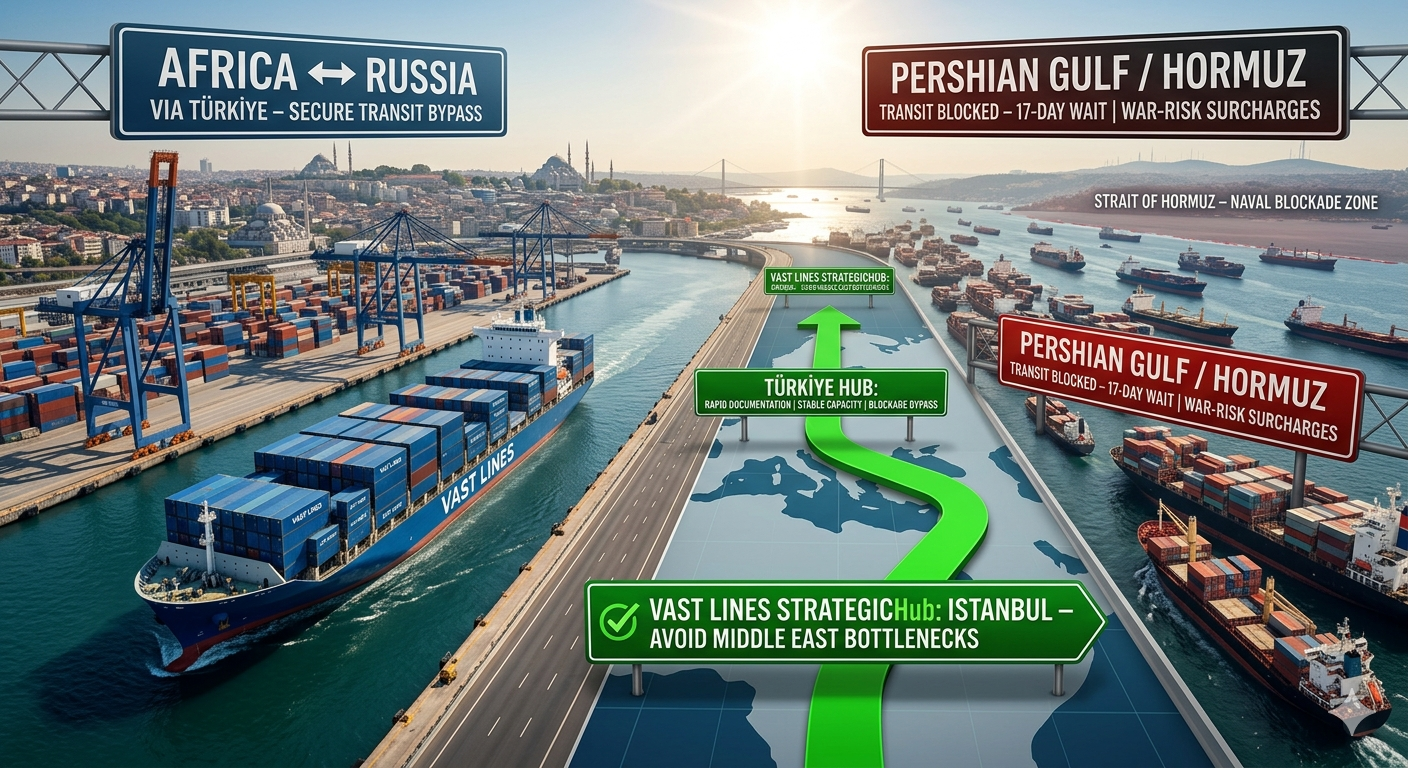
In this guide, we explore the complexities of Türkiye-Russia Technical Logistics and how SOC management ensures operational freedom. In 2026, as global supply chains are being restructured, the Türkiye-Russia logistics corridor is not just a physical route, but also a complex network of regulations and technical knowledge. Delivering FCL (Full Container Load) cargo originating from South America, Africa, or Europe to Russia through transit trade via Türkiye requires operational discipline that tolerates no errors. At Vast Lines, we analyze the technical bottlenecks and solutions in this process based on real data.
1. Transit Trade and Bonded Warehouse Regimes: Legal Compliance
Türkiye is a critical customs transshipment hub for European and Southern Hemisphere cargo. Türkiye-Russia Technical Logistics directing the cargo to Russia without “nationalizing” it (without paying import duties) in this process requires mastery of Bonded Warehouse Regime (Type A or C) and Transit Regime (T1/T2 documents) procedures under the Turkish Customs Code.
* Data-Driven Risk: Inconsistencies between origin information in transit trade documents (CMR, Bill of Lading) and the warehouse declaration cause the cargo to wait an average of 3 to 5 extra business days in customs, leading to high storage (ardiyye) costs.
* Vast Lines Solution: Vast Lines ensures digital verification of all documents (Pre-clearance check) prior to arrival at Turkish ports with its specialized customs brokerage partners, minimizing customs waiting times.
2. Technical SOC (Shipper Owned Container) Management: Operational Freedom
The biggest bottleneck in FCL transportation in the market is equipment (empty container) availability. Using Shipper Owned Containers (SOC) eliminates this risk but brings technical responsibility.
* Technical Necessity (CSC): All SOC containers must have the international CSC (Convention for Safe Containers) certification and pass a valid ACEP (Approved Continuous Examination Program) inspection.
* Storage Control: Unlike line containers, SOCs are quickly discharged at the port of destination (e.g., Novorossiysk) and pass under the technical management of Vast Lines without paying “detention” fees. This provides up to 15% savings in non-freight cost items in transportation.
3. Freight Insurance and Risk Management: Global Cover
Türkiye-Russia Technical Logistics geopolitical instability and long transit routes make insurance for general cargo a necessity, not a luxury. Insurance policies for cargo traveling to Russia via Türkiye must include special “War & Strikes” clauses.
* Coverage Scope: Vast Lines recommends Institute Cargo Clauses (A) – Full Cover (the widest coverage) insurance depending on the type of cargo in its FCL services.
* Legal Detail: It is critical that the insurance policy complies with legal restrictions brought by global sanctions against Russia (Sanction Clauses) to collect compensation in case of possible damage.
Vast Lines manages the Türkiye-Russia Technical Logistics corridor not just as a transportation process, but as an engineering-based solution where regulations, technical security, and financial risk management are integrated.