
March 2026 Market Intelligence: The Hormuz Strait Crisis and New Dynamics in Freight Markets
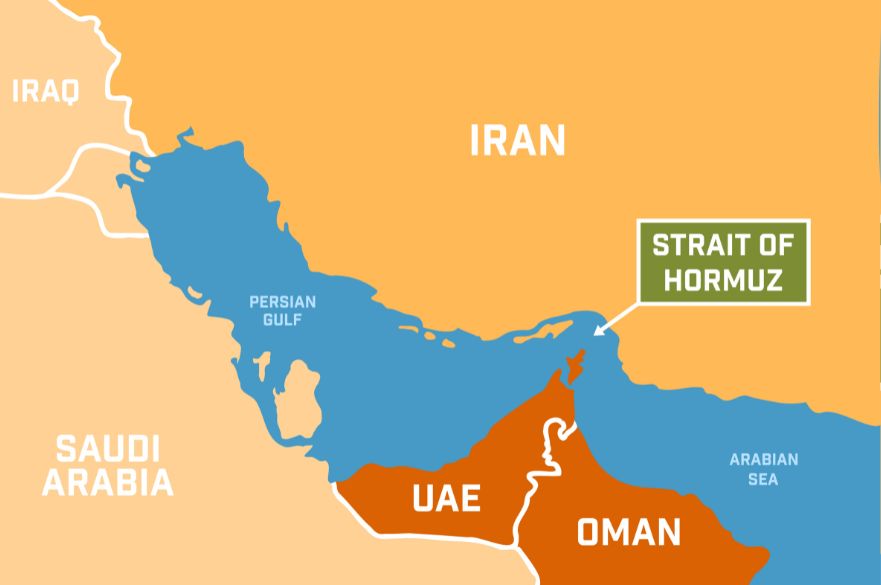
As of March 24, 2026, the global supply chain has entered a “High-Risk” phase due to military activity in the Strait of Hormuz and significant restrictions on major trade routes. At Vast Lines, we have prepared this weekly market analysis to help you navigate these volatile conditions and manage both cargo security and logistical costs.
1. The Strait of Hormuz and the Persian Gulf: Operational Status
Since early March, escalating risks in the Strait of Hormuz have caused a nearly 90% drop in container traffic through the region.
- Current Status: Major global carriers, led by Maersk and MSC, have begun invoking “Force Majeure” clauses for bookings destined for the Persian Gulf (Jebel Ali, Dammam, Kuwait).
- Transshipment Hubs: Instead of entering the Gulf, vessels are discharging cargo at “Safe Zone” ports in Oman, such as Sohar and Salalah. From there, shipments are being forwarded via feeder vessels or cross-border trucking.
2. Surge in Freight Rates and Emergency Surcharges
Global crises are driving an unavoidable spike in freight costs. This market volatility is triggered by several key factors:
- War Risk Surcharge (WRS): Due to extreme hikes in insurance premiums, carriers are applying surcharges ranging from $1,500 to $3,000 per container.
- VLSFO (Fuel) Impact: VLSFO prices on the Singapore exchange are nearing the historic $1,000 per ton mark, which is being directly reflected in BAF (Bunker Adjustment Factor) updates.
- Route Divertisment: Increased operational costs for vessels diverted around the Cape of Good Hope are being invoiced as “Transit Time Surcharges.”
3. Equipment Crisis and the Vast Lines SOC Advantage
While general freight rates are rising across the board, Vast Lines provides strategic cost control through our SOC (Shipper Owned Container) solutions.
Real Advantages of SOC in the Current Market:
- Equipment Guarantee: During periods when global lines face severe empty container (equipment) shortages, you can proceed with your shipments without delay using Vast Lines’ own container fleet.
- Exemption from Demurrage & Detention: Although ocean freight rates fluctuate with market conditions, because the container belongs to you (or Vast Lines), you eliminate the risk of exorbitant Demurrage and Detention (storage/rental) fees paid to carriers during port congestions or inland transport delays.
- Flexibility on Russia and CIS Routes: In corridors where container restitution is notoriously difficult, SOC equipment grants you the freedom to strip and return the container at your own pace at the final destination.
4. Alternative Route: The "Middle Corridor" via Turkey
The bottlenecks in traditional maritime routes have once again proven the strategic importance of the Middle Corridor (Rail + Road) passing through Turkey. For your shipments from the Far East, we bypass maritime delays with our multimodal solutions to optimize transit times.
Vast Lines Strategic Note:
In today’s market, the validity period of freight quotes has shortened significantly. We recommend focusing not just on the “base rate” but also on “equipment availability” and “port-related costs (D&D)”. Vast Lines is here to provide the most transparent and sustainable cost structure throughout this process.
Recent Blog
-
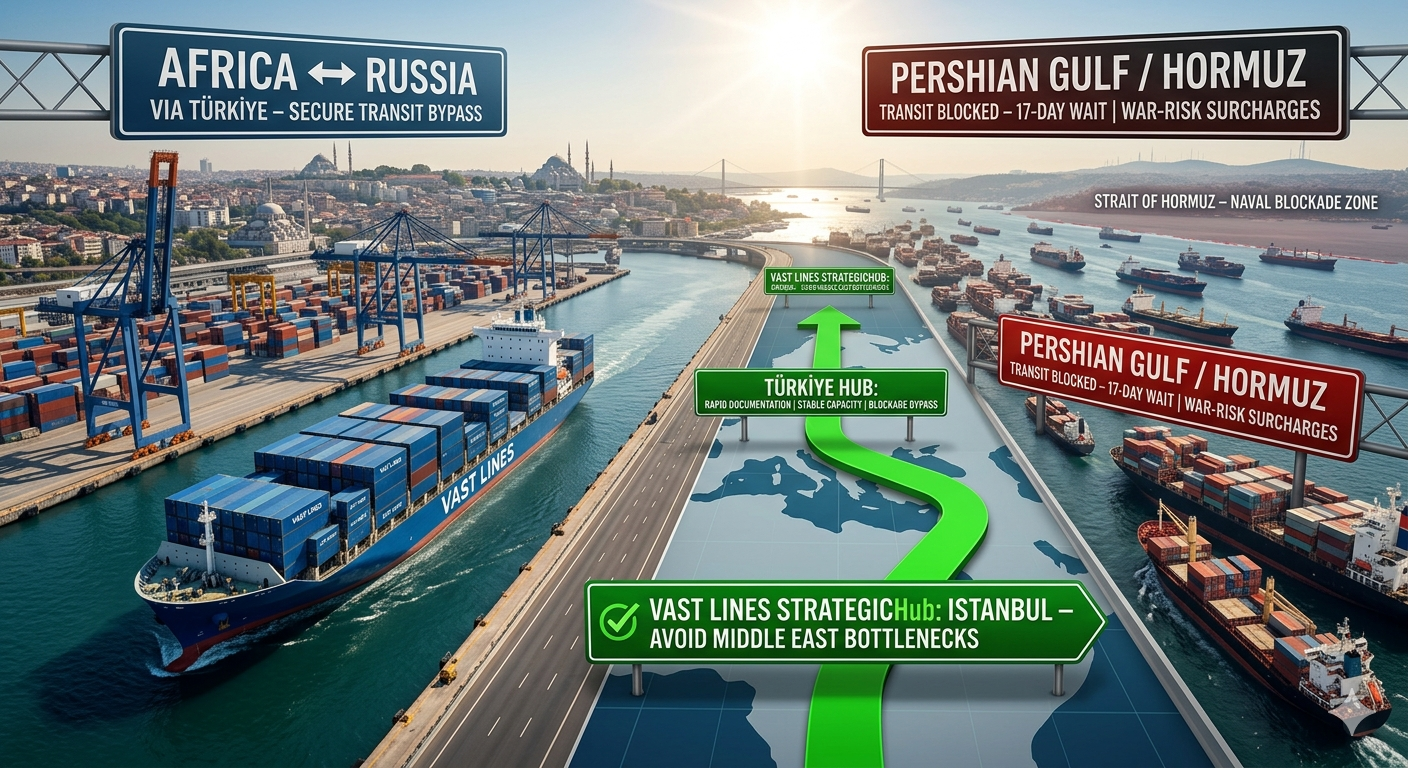 Shipping Crisis: Strait of Hormuz Naval Blockade
 -
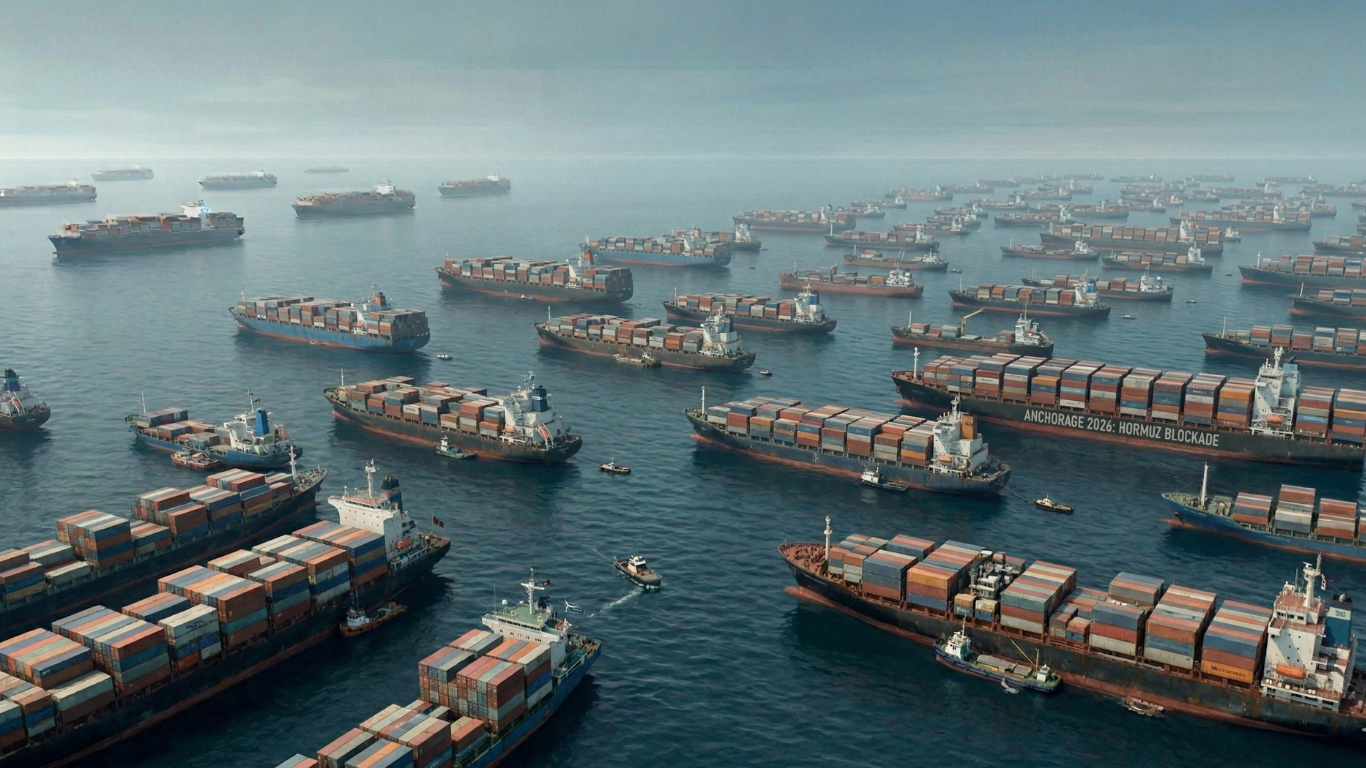 The 2026 Logistics Paradox: A 70-Day Wait at Sea or Strategic Corridor Management?
 -
 Case Study: Seamless Transit Shipment from Europe to Russia in 15 Days
 -
March 2026 Market Intelligence: The Hormuz Strait Crisis and New Dynamics in Freight Markets
-
 Indirect Delivery and Document Switch: Managing Flexibility and Confidentiality in Global Trade


One Response