Europe – Russia Transit Information: Frequently Asked Questions (FAQ)
Frequently Asked Questions and the Legal Framework for Shipping European-Origin Cargo to Russia via Turkey
Below you will find the most frequently asked questions and the legal framework regarding the shipment of European-origin cargo to Russia via Turkey.
1. Is it legal to send European cargo to Russia via Turkey?
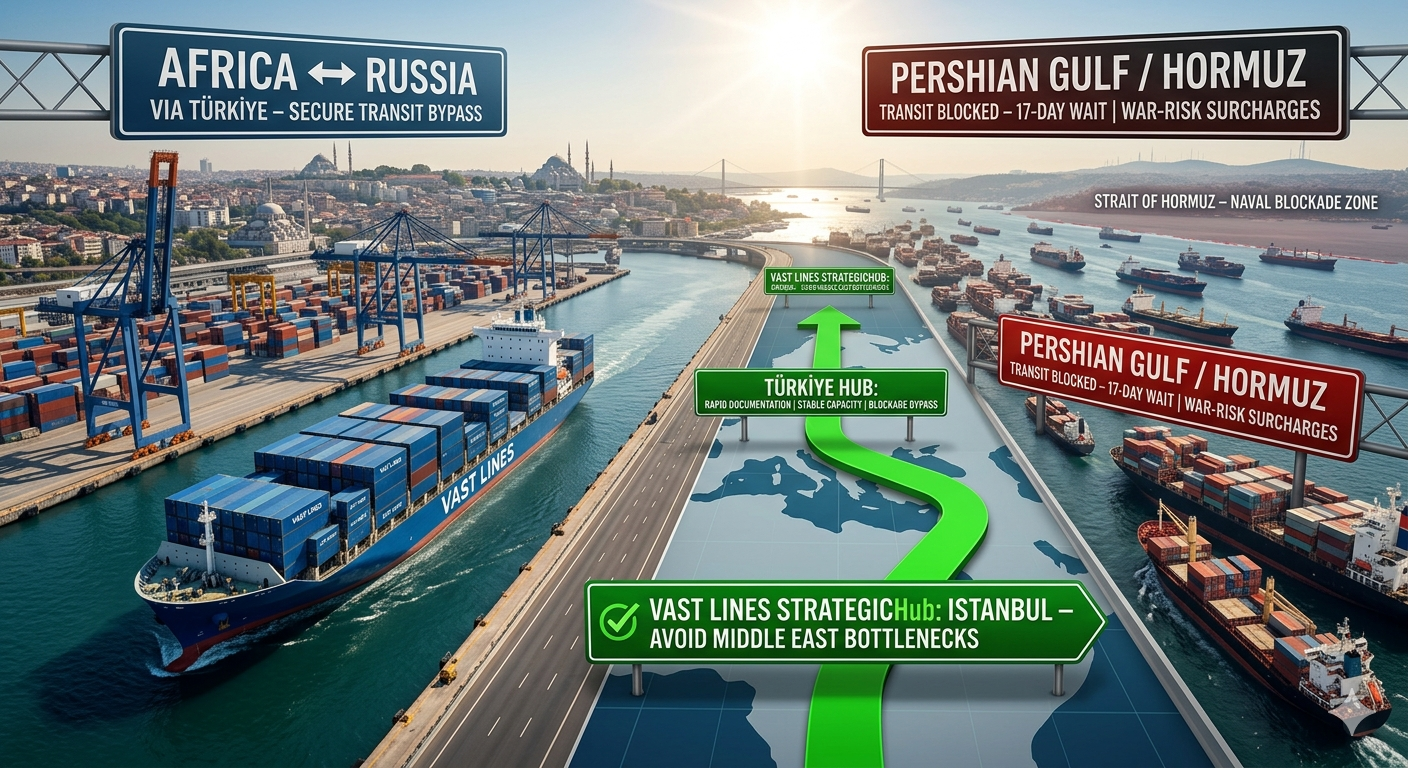
Yes, it is completely legal. Turkey provides “Transit Hub” services in accordance with international trade law and transit regimes. When cargo enters the Turkish customs zone, it is dispatched to the next destination under a warehouse or transit regime without being nationalized (without paying import duties). Throughout this process, all operations are carried out while observing international sanctions compliance.
2. How does the "Document Switch" (Document Exchange) process work?
In transit trade, a new set of trade documents can be created in Turkey to manage the ownership of the cargo or the commercial flow. As Vast Lines, we ensure that original documents arriving from Europe are converted into new sets in accordance with transit trade legislation and are accepted without issues at Russian customs.
3. Is container exchange (Re-stuffing) mandatory during Istanbul transshipment?
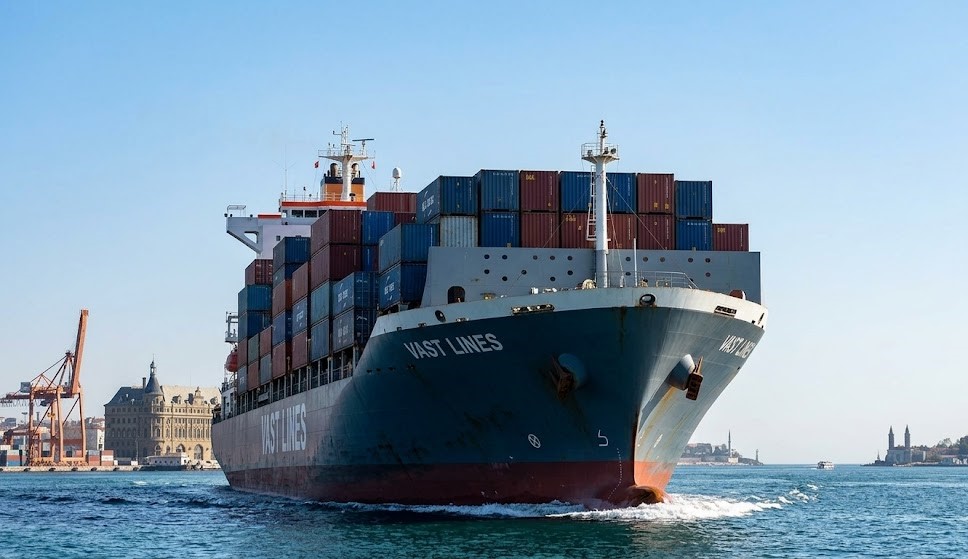
No. Thanks to the SOC (Shipper Owned Container) solutions offered by Vast Lines, whichever container your cargo was loaded into in Europe can continue to Russia in the same container by being transferred from ship to ship in Istanbul. This eliminates handling damage and increases operational speed.
4. How long are the transit times?
Average times vary by route as follows:
South Europe (Italy/Spain) → Istanbul → Novorossiysk: 12 – 18 Days
North Europe (Germany/Benelux) → Istanbul → Novorossiysk: 15 – 22 Days
Istanbul Transshipment Time: Generally 2 – 5 days (Depending on the vessel schedule).
5. What types of cargo can be transported via this corridor?
Non-food consumer goods, textiles, industrial spare parts, construction materials, and chemicals not classified as hazardous materials are the most commonly transported cargo groups. You can consult our expert team with the MSDS or product details to check the suitability of your cargo.
6. Is there a cost advantage in transit transportation via Turkey?
Yes. Considering the hidden costs and high freight rates created by weeks of waiting at direct border crossings (such as the Poland/Baltic borders), the ocean freight (Sea & Sea) model via Turkey offers a much more sustainable option in terms of total cost and time management.



One Response