
Ocean Freight Cost Factors and Cost Management: A Guide to Understanding Logistics Pricing
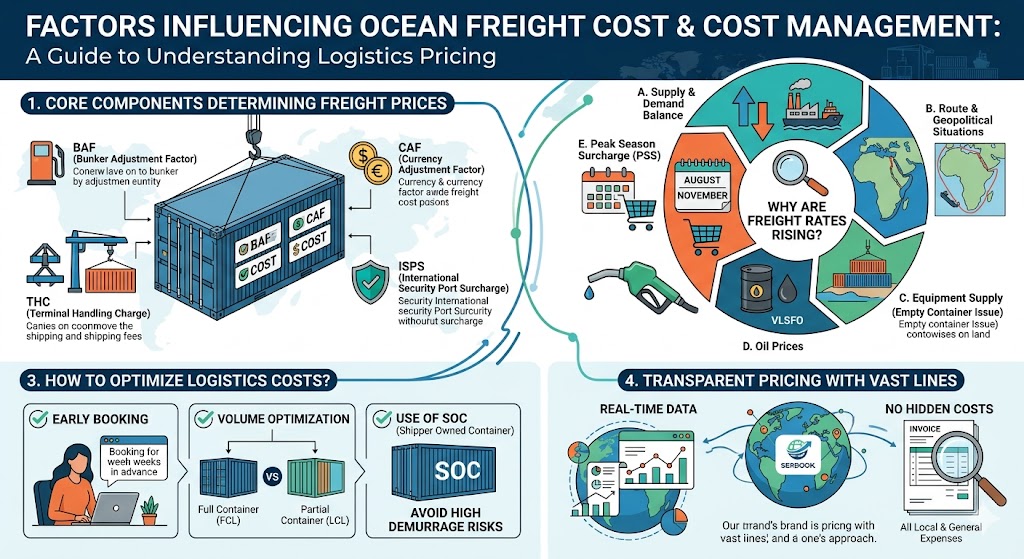
Logistics costs are one of the most critical elements determining profitability in international trade. Ocean freight rates are influenced by numerous variables, ranging from global economic indicators to local port congestion. In this guide, we detail the line items within a freight quotation and why prices fluctuate.
1. Core Components Determining Freight Prices
When you receive an ocean freight quote, these are the primary abbreviations and meanings you will encounter:
Ocean Freight: The cost of transport from port to port.
BAF (Bunker Adjustment Factor): A fuel surcharge added to counter fluctuations in fuel prices.
CAF (Currency Adjustment Factor): A currency adjustment factor that balances changes in exchange rates (usually USD/EUR).
THC (Terminal Handling Charge): The container handling (loading/unloading) fee at the port.
ISPS (International Security Port Surcharge): Port security fee.
2. 5 Critical Factors Causing Price Fluctuations
The answer to the most searched question on Google, “Why are freight rates rising?”, lies in these 5 points:
A. Supply and Demand Balance If cargo is high and ships/containers are scarce, prices rise. Rates peak especially during busy periods like Chinese New Year or the pre-Christmas season.
B. Route and Geopolitical Situations Restrictions at critical transit points such as the Suez Canal or Panama Canal cause ships to reroute (e.g., Cape of Good Hope). A longer journey means higher fuel and personnel costs.
C. Equipment Supply (Empty Container Issue) If containers accumulate in one part of the world (e.g., USA or Europe) and cannot return to main production centers (e.g., China), prices increase due to “empty equipment imbalance.”
D. Oil Prices Ship fuel (VLSFO) constitutes approximately 50-60% of total operating costs. Every increase in oil prices is directly reflected in the invoice as BAF.
E. Peak Season Surcharge (PSS) An additional seasonal surcharge applied by carriers when global demand increases during specific times of the year (usually between August and November).
3. How to Optimize Logistics Costs?
You can follow these strategic steps to reduce costs:
Early Booking: Reservations made at least 2-3 weeks before the loading date generally provide more favorable “spot” prices.
Volume Optimization: If your cargo does not fill a full container, consider the LCL (Less than Container Load) option.
Use of SOC (Shipper Owned Container): With the SOC service we offer as Vast Lines, you do not remain dependent on carrier equipment and control your total costs by avoiding high demurrage risks.
4. Transparent Pricing with Vast Lines
As Vast Lines, we offer our customers not just a number, but the market data behind that number.
Real-Time Data: We suggest the most economical route by tracking current situations on global routes.
No Hidden Costs: By clearly specifying all local and general expenses in our quotes, we prevent you from encountering surprise invoices at the end of the operation.
Recent Blog
-
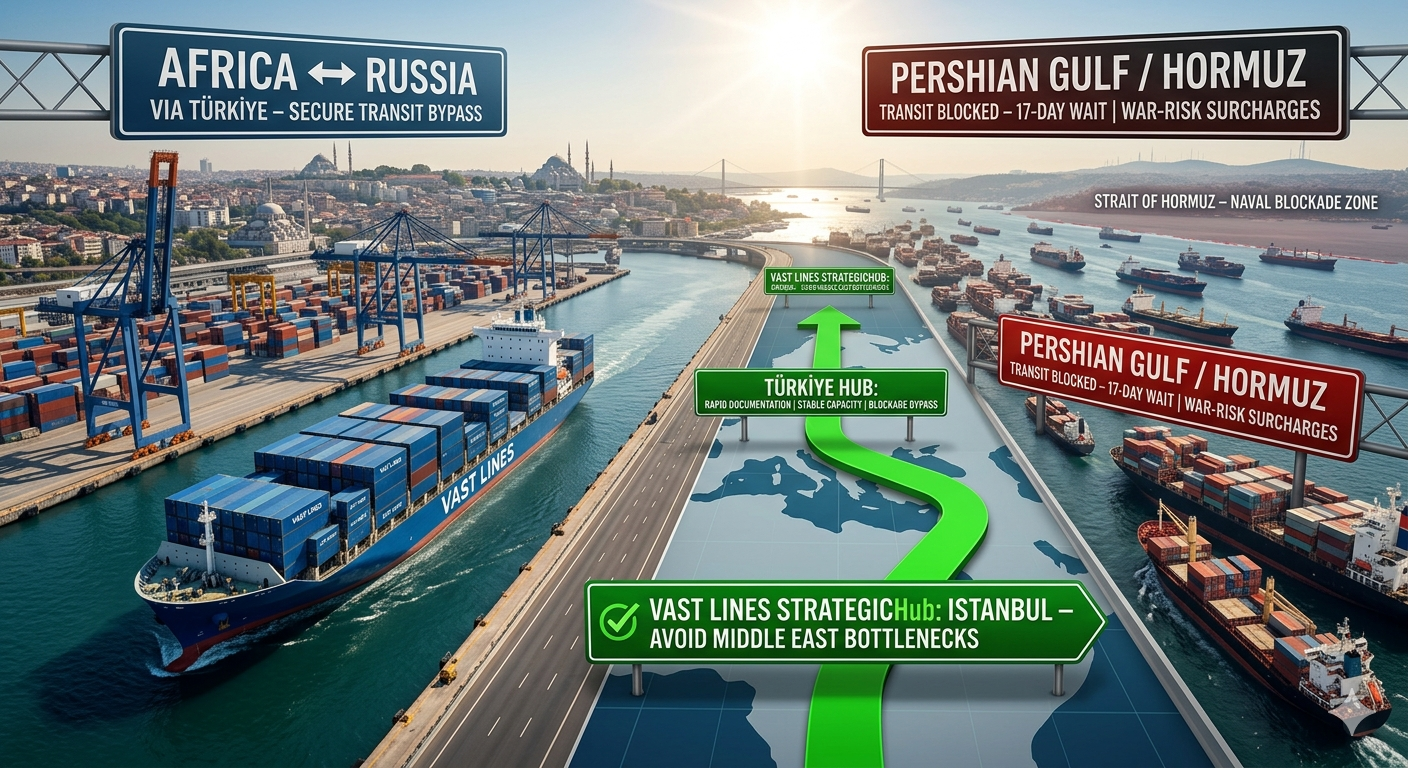 Shipping Crisis: Strait of Hormuz Naval Blockade
 -
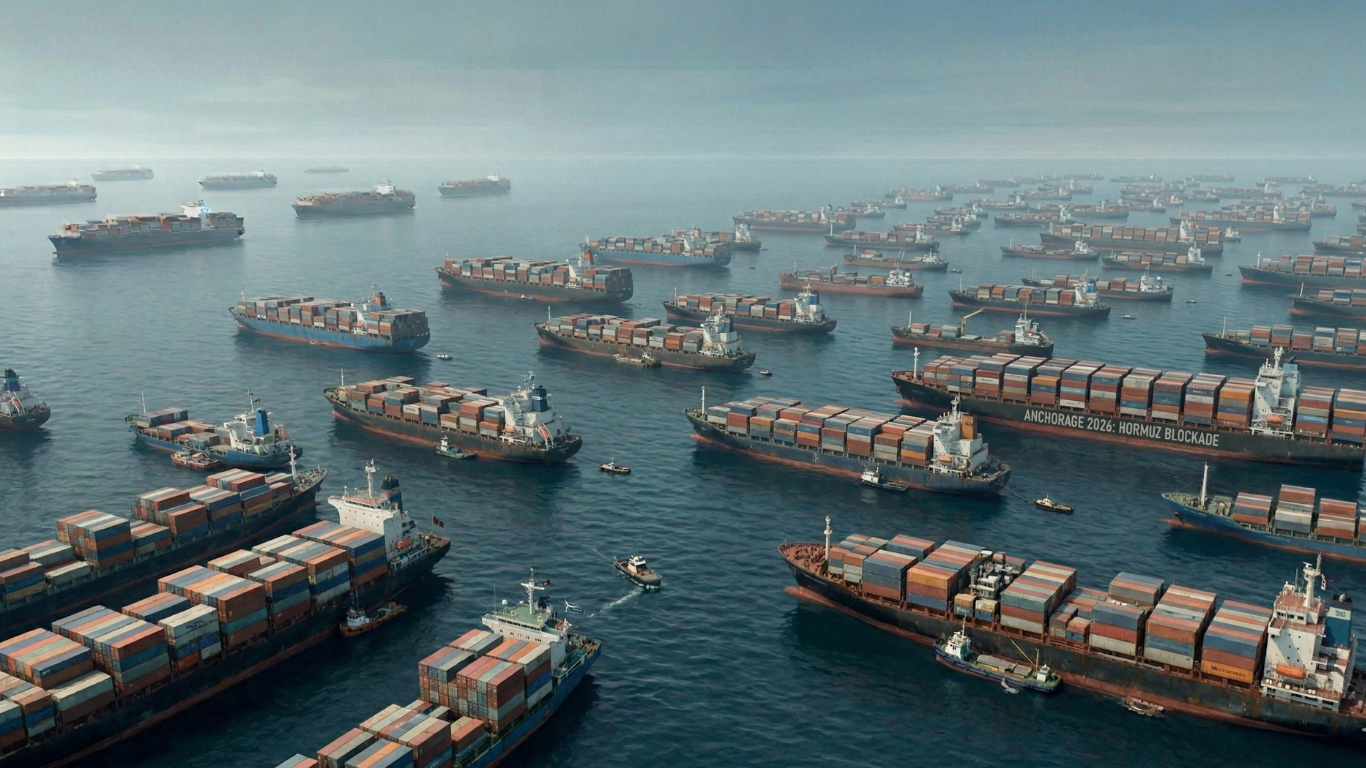 The 2026 Logistics Paradox: A 70-Day Wait at Sea or Strategic Corridor Management?
 -
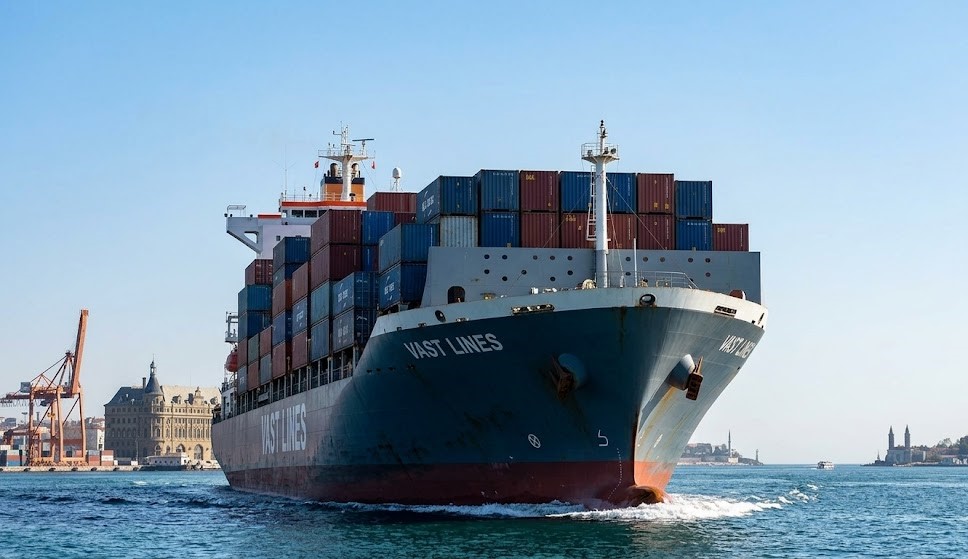 Case Study: Seamless Transit Shipment from Europe to Russia in 15 Days
 -
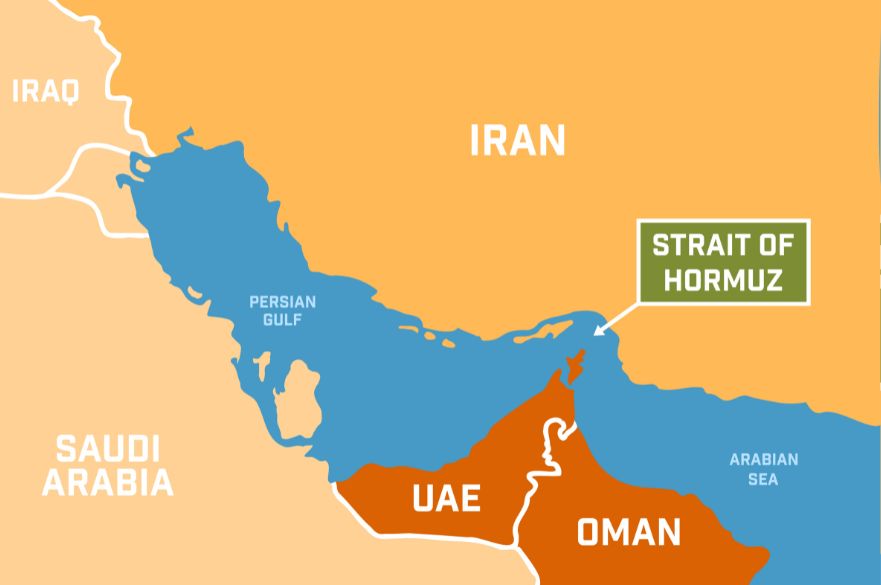 March 2026 Market Intelligence: The Hormuz Strait Crisis and New Dynamics in Freight Markets
 -
 Indirect Delivery and Document Switch: Managing Flexibility and Confidentiality in Global Trade


2 Responses